
Beyond the Performance: Developing the Skills That Make You Marketable
Beyond the Performance: Developing the Skills That Make You Marketable
by Dr. Dave Gerhart
Percussive Notes
Volume 64
No. 5
October
2026
Dr. Dave Gerhart discusses how percussionists can build successful, adaptable careers by developing versatile skills beyond performance. Emphasizing personal branding, professionalism, and a strong digital presence, he advises musicians to create content, network through service, and prepare thoroughly for various professional opportunities. Success stems from continuous growth, embracing change, and focusing on who you want to become rather than just job titles or accomplishments.
When I was a percussion student, I believed success meant securing the right teaching position, winning an audition, or performing frequently. Like many young musicians, I thought I had a clear vision of the professional path that lay ahead. During those formative years, I never imagined that practicing “Marimba Spiritual”would eventually lead to significant roles in higher education, artist relations, marketing, public speaking, and performing. Looking back, the key opportunities that defined my career weren’t the result of a detailed plan. Instead, they emerged from my willingness to adapt, learn new skills, and follow unanticipated paths.
Several years ago, comedian Jerry Seinfeld offered graduates a simple but powerful piece of advice: “Don’t think about having. Think about becoming.” That message may be more relevant today than ever, especially for musicians. In a profession defined by constant change, success is rarely the result of a single achievement, degree, ensemble position, or job title. Instead, it comes from developing the skills, mindset, attitude, and adaptability needed to thrive as opportunities present themselves and evolve.
The music industry looks very different today than it did five years ago. While traditional career paths still exist, many musicians now build careers that span multiple roles. A percussionist might perform, teach, arrange, create digital content, present clinics, or pursue entirely new opportunities that didn’t exist a decade ago. The most successful musicians are often those who embrace change rather than resist it.
Fortunately, percussionists are uniquely equipped for this environment. Our training teaches us to be versatile, collaborative, and resourceful. We move between instruments, musical styles, and performance settings with ease, constantly adapting to new challenges. Those same qualities that make us sought-after musicians also make us valuable professionals in an increasingly competitive marketplace.
Marketability, therefore, is not about self-promotion or chasing social media fame. It is about identifying the value you bring to others and communicating that value effectively. Whether you are a student preparing for your first audition, an educator building a studio, or a professional seeking a new opportunity, your ability to adapt, connect, and continue growing will shape your career.
In this PASIC 2026 presentation, you will be provided with practical tools and resources for personal branding, networking, interviewing, and establishing a social media presence. In addition, I will share lessons learned from more than three decades in the music industry as a college professor, marketing professional, and freelance musician.
YOUR REPUTATION IS YOUR BRAND
When people think of the word “brand,” they often envision logos, websites, or marketing campaigns. Companies like Apple and Nike are common examples. Your personal brand is the combination of trust, authenticity, and value associated with your name.
In the music world, word travels at lightning speed. People remember the performer who showed up ready to play their part, the clinician who helped students perform at a higher level, or the adjudicator who gave helpful feedback to the ensemble. Being a great musician can open doors, but professionalism, reliability, and character often determine whether the door stays open.
So, how do you develop your personal brand? Let’s start by answering these questions:
• What do you want to be known for?
• Why will people seek you out?
• What makes you unique?
• What’s your story (your “why”)?
• How can you add value?
Answering these questions is an important part of building your personal brand. Once you have your answers, you can start shaping how others see you.
Building a strong reputation takes time and consistent effort. Every rehearsal, email, performance, lesson, and interaction shapes how others perceive you. Successful professionals are intentional about building and protecting their brand.
HOW TO BUILD A PROFESSIONAL DIGITAL PRESENCE
In many cases, your online presence is the first impression you will make with others. Before someone interacts with you directly, they will generally use a search engine to learn more.
A professional website is a great starting point. It gives you an opportunity to control your message. It doesn’t have to be fancy, but it should clearly show who you are, what you do, and how people can reach you. This lets you shape your message and determine how others see you online. By creating your own website and using a personalized, professional email address, you will build your brand and digital presence. Be sure to include an up-to-date bio, a headshot, your résumé or CV, performance videos, and notable achievements.
Social media is a quick way to establish a presence and can be powerful when used with purpose. Instead of being active on every platform, focus on those that align with your goals. Share your performances, educational tips, professional insights, and creative projects that showcase your skills and interests. Pro-tip: Use the same username across all your digital accounts. For example, don’t use @funkydrummer86 on one site and @funky_drummer_86 on another. I use @drdavegerhart on all social media platforms so people can find me easily.
Most importantly, stay consistent. Set aside time weekly to make updates. Your website, social media, and professional communications should present a unified message. When your digital presence is unified, it builds your credibility and makes your identity clear.
CREATE INSTEAD OF CONSUME
There is more digital content available now than ever before. Musicians often watch videos, read articles, listen to podcasts, and scroll through social media. Consuming information is useful, but creating your own content can help your career by building your brand even quicker.
When you create content, you show your expertise. Whether you write an article, share a practice tip or a performance, record a podcast, or post an educational video, all these show what you know and what sets you apart from someone else.
You do not need a big audience to make a difference. The key is to share helpful content so it can build your reputation and open opportunities. For example, a short video might get you invited to teach a clinic, a blog post could help you meet new people, and a performance clip might connect you with future collaborators.
Think of every piece of content as a digital audition. It shows your knowledge, professionalism, and unique voice long after you post it. Remember, what happens on the internet stays on the internet forever, so it’s vital to control your message and online presence.
NETWORK THROUGH SERVICE
A lot of people think networking is just about swapping business cards or connecting via email. In reality, every interaction you have is networking, and one of the best ways to network is to help others.
The percussion community is very close-knit. You can build relationships by sharing experiences, volunteering to serve your community, attending conferences and festivals, and joining professional organizations. Attending PASIC is one of the best networking opportunities in the percussion community, but you must make it a point to meet people outside your current circle of friends and colleagues. In addition to PASIC, PAS also offers many ways to get involved and build real connections.
Instead of asking, “What can this person do for me?” try asking, “How can I help?” When you focus on giving, you build trust, credibility, and strong professional relationships over time. People are more likely to remember those who help others rather than those who only promote themselves.
INTERVIEW FOR OPPORTUNITIES, NOT JUST JOBS
Most people think of interviews as something you do when applying for a regular job. But there are many kinds of professional opportunities to interview for, such as internships, college auditions, and scholarship panels.
No matter the situation, being prepared is key. A good interview is more than just rattling off what you’ve done. It’s a chance to tell your story, show what you can offer, and explain how you can help a group or community. Put together a 30-second “elevator pitch” to describe why someone should hire you and what makes you unique. Search the internet for “interview questions” and download some sample questions to help you prepare for the in-person interview. Practice answering questions just like you practice your instrument so you will be comfortable in the actual interview.
Employers and collaborators often want more than just technical skills. They look for people who can solve problems, work well with others, communicate clearly, and adapt to new situations. Being prepared, professional, and genuine are some of the most valuable qualities you can bring to any opportunity.
BECOMING
Earlier, I mentioned Jerry Seinfeld’s advice to graduates: “Don’t think about having. Think about becoming.” In our field, where auditions, job offers, and achievements are often the most visible markers of success, it’s easy to measure our worth by what we own or accomplish. We often chase the next opportunity, ensemble, position, or accomplishment, thinking that reaching these goals will make us successful.
However, the most rewarding and lasting careers usually don’t develop this way. Percussionists who thrive in the long term are not always the most talented, connected, or accomplished. What sets successful musicians apart is that they continually commit to becoming better musicians, educators, leaders, collaborators, and individuals. They remain curious, adapt to change, embrace new technologies while preserving their artistic identity, build relationships, serve their communities, and seek ways to create value for others.
Being marketable isn’t just about promoting yourself. It’s about building the skills, character, and reputation that make others want to work with you, learn from you, and recommend you. This comes from being prepared, making a positive impact, and looking for ways to grow beyond formal education.
So instead of asking, “What job do I want to have?” try asking yourself a different question: “Who do I want to become?”
Then take one step toward that vision today. You could update your website, volunteer for a PAS event, share a performance or teaching resource online, learn a new technology, reach out to a colleague you admire, or start a project you’ve been putting off for too long. Small, steady actions shape our careers more than rare, big breakthroughs.
As percussionists, we spend many hours improving our technique, learning new music, and getting ready for performances. Use that same focus when working on your professional growth. Put time into your relationships, reputation, business skills, and adaptability. The opportunities you want might not come when you expect them, but if you keep growing, you’ll be ready when they do arrive.
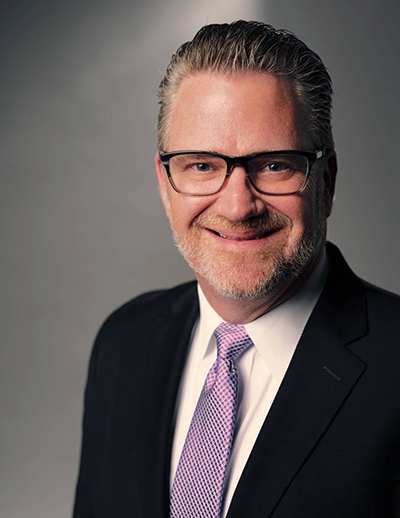
Dr. Dave Gerhart is Artist Relations Partner for Yamaha Corporation of America and a nationally recognized performer, composer, educator, and arts advocate. He holds a Doctor of Musical Arts degree from the University of Southern California and has performed with leading orchestras and artists under such renowned conductors as Gustavo Dudamel and Rafael Payare. An active leader in the percussion community, he serves on the PAS University Pedagogy Committee and was past PAS California Chapter Vice President, where he has contributed extensively to music education and technology initiatives. His compositions and arrangements are published internationally, and he continues to perform throughout Southern California.