
Beyond the Practice Room: Active Strategies for Student Wellness and Community Building
Beyond the Practice Room: Active Strategies for Student Wellness and Community Building
by Pete Zambito
Percussive Notes
Volume 64
No. 5
October
2026
The article by Pete Zambito highlights the often-overlooked challenges percussion students face beyond technical skills, such as food insecurity, burnout, financial stress, and mental health issues, which hinder their performance. Survey data show peak stress occurs at semester ends, with common signs including agitation, poor eating, and disrupted sleep; yet, many students do not use available institutional support services. The article advocates for educators to actively bridge this resource gap by introducing students directly to campus wellness services, hosting resource ambassadors, normalizing accommodations for disabilities, and fostering inclusive, supportive studio environments through simple social interactions and celebrating achievements. By doing so, educators help build resilience and ensure students thrive both musically and personally.
As percussion educators across many environments, we spend countless hours refining our students’ technical and musical abilities. It comes as no surprise, then, that we often overlook the broader environment in which our percussionists operate. While managing performance anxiety is a familiar part of our pedagogical toolkit, broader challenges — including food insecurity, physical burnout, financial stress, and mental health struggles — frequently prevent students from performing at their highest potential, regardless of their age or educational stage.
My PASIC 2026 session explores practical, actionable ways educators can bridge the gap between studio instruction and institutional support systems. Rather than viewing student wellness as an abstract ideal, we will discuss how to proactively connect students to school and campus resources while building a resilient, inclusive studio culture tailored to all types of programs.
THE REALITY OF STUDENT STRAIN
To understand why active intervention is necessary, recent survey findings among student percussionists (based in college programs) paint a clear picture of when and how distress manifests:
Peak Stress Times: Mental strain reaches its height at the end of the spring semester (81.8%), followed closely by the end of the fall semester (63.6%) and the mid-semester push (54.5%).
Behavioral Indicators: Students most frequently exhibit distress through general agitation and restlessness (72%), poor eating habits and loss of interest in activities (63.6%), and disrupted sleep patterns (45.5%).
Underutilization: Despite available help, half of the students surveyed had never utilized institutional health or support services.
Contextual insights from health professionals demonstrate that key support networks, including counseling services, wellness centers, food pantries, accessibility/disability centers, and financial planning resources, are frequently covered by existing school or university funding, making them free at the point of care. However, knowing that students often do not utilize these services, and since faculty frequently occupy the front lines of daily student contact, we play a crucial role in destigmatizing and encouraging the use of these vital services.
BRIDGING THE RESOURCE GAP
The hard work of improving as a musician means that students tend to isolate in fine arts wings and band rooms and often do not access the support they could use. To demystify institutional support, we must bring resources directly into our percussion suites or guide students to them directly.
HOST RESOURCE AMBASSADORS & CAMPUS TOURS
Consider dedicating an early-semester studio class, section rehearsal, or band period to walking students directly to counseling centers, school nurse offices, or guidance suites. If a physical walk-through isn’t feasible, invite “Resource Ambassadors” — representatives from school health services, counseling centers, disability offices, or community food banks — to speak directly to your students.
ADDRESSING DISABILITY AND ACCOMMODATIONS
Inviting accessibility services into the studio normalizes accommodations for physical injuries, learning differences, and acute health events. Key questions to address with students include:
Timeline: How long does the approval process take?
Renewal Requirements: Do accommodations renew automatically or need seasonal reinstatement?
Temporary Status: Can a student receive short-term support for mid-semester physical injuries (e.g., wrist strain or sudden illness)?
Common Misconceptions: What fears keep students from seeking accommodations?
BASIC NEEDS & HEALTH HABITS
Wellness begins with basic necessities. Educators at every level should familiarize themselves with local or school food pantries (including hours, locations, and inventory such as non-perishable food, toiletries, and cleaning supplies) to discreetly direct students in need. Additionally, if feasible, keeping healthy snacks directly in your office or band hall provides immediate, tangible care.
Promote early habit formation by encouraging consistent sleep, balanced nutrition, and physical activity at the start of the term, before heavy performance schedules take over. Remind students that using free, fee-supported institutional services validates their existence, ensuring these critical tools remain funded for future students.
MICRO-INTERACTIONS AND INCLUSIVE COMMUNITY BUILDING
Fostering a supportive studio culture does not require a complete overhaul of your curriculum; it begins with intentional micro-interactions during rehearsals, studio classes, and sectionals. In both applied lessons and large group rehearsals, brief icebreakers signal to middle school, high school, and college students alike that they belong. Using simple prompts (like asking “Who here has ‘green’ as their favorite color?”) helps students foster immediate connections. Instruct students to raise their hands, look around, and acknowledge their peers with a nod, finger snaps, or light banter. These non-verbal and spoken connections build instant rapport across different grade levels, majors, and instrument sections.
Regularly reserve time in class to celebrate student achievements both inside and outside the music room. This can be an audition success, an upcoming recital, a science fair project, or a non-music milestone. Connecting daily effort to students’ broader life helps them understand how their percussion journey fits into their growth as a whole person.
THE POWER OF SHOWING UP
For educators in general, it is very possible that your job may include large concert ensemble directing, work with athletic bands, or teaching general music courses. Connecting to students through those courses shows genuine interest in their lives beyond the percussion suite that can build deep, lasting trust.
Students notice when faculty and directors attend their performances, but this can extend beyond those more typical events. Attending a student’s theatre production, sporting event, art exhibition, or academic presentation proves that you value them beyond their ability to hit an instrument.
At the same time, practice adaptability. Some students prefer low-interaction or quiet environments. Respecting personal boundaries while keeping your door open ensures an inclusive, welcoming studio for every personality type.
When we equip ourselves with knowledge of support networks and intentionally cultivate empathetic classroom environments, we build a foundation where percussionists of all ages can truly thrive — both on and off the stage.
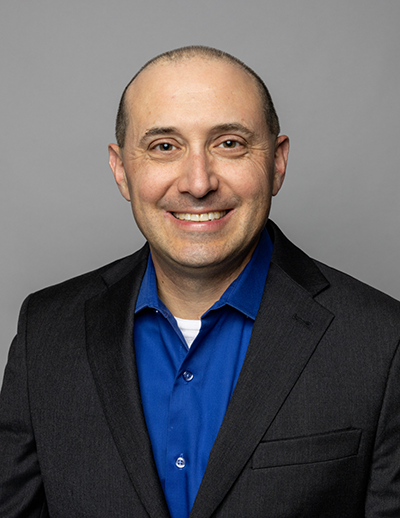
Pete Zambito is the Associate Teaching Professor of Music and Assistant Director of Athletic Bands at the University of Missouri. He is the creator and host of the show Pete’s Percussion Podcast, which has presented weekly episodes since 2016. He has performed extensively throughout the United States. He is also a commissioned composer of percussion works, many of which are available through C. Alan Publications. Dr. Zambito holds a B.A. degree in piano performance from Wake Forest University, and M.M. and D.M.A. degrees in percussion performance from UNC-Greensboro. His writings have been published in Percussive Notes and Rhythm Scene, he is a member of the PAS Health & Wellness Committee, and he contributes frequently to the National Conference on Percussion Pedagogy. His first solo CD, Marimba, was released in 2014.